
Imagine opening a store in the middle of a busy city but never putting up a signboard, never telling anyone about your products, and never interacting with potential customers. No matter how great your products are, people simply would not know you exist.
This explains why digital marketing has become essential in today’s competitive business environment.
Why digital marketing is one of the most important questions for every modern business owner today.
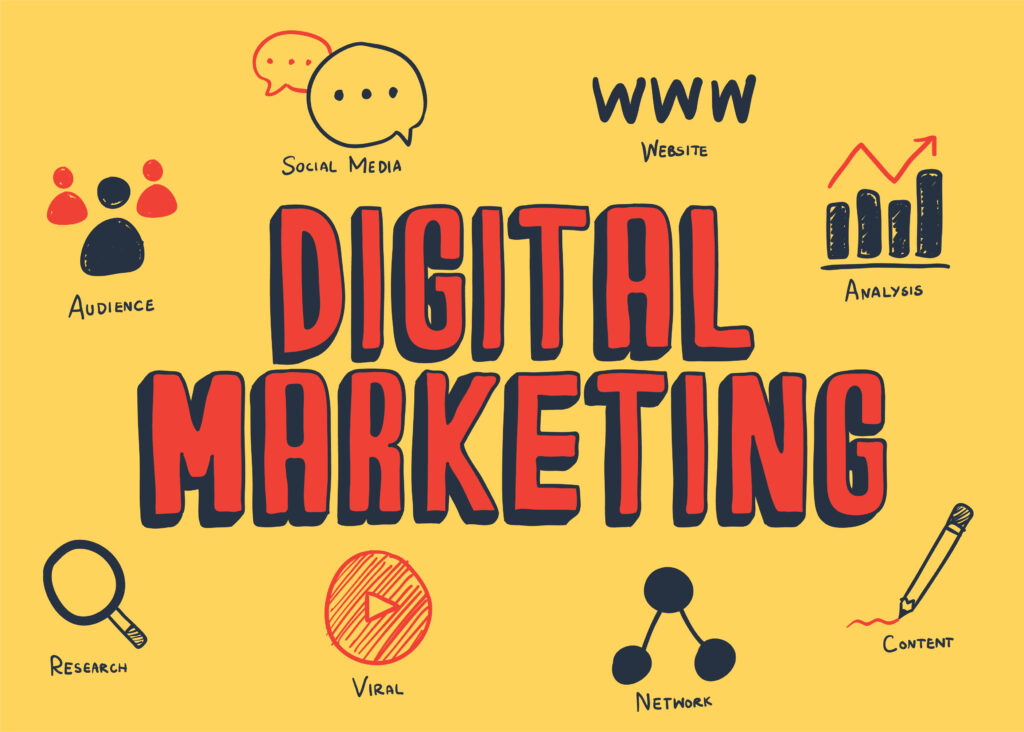
This explains why digital marketing has become essential for businesses of every size.
Today, billions of people spend their time online searching for information, comparing products, watching videos, reading reviews, and connecting through social media. Businesses that fail to establish a strong online presence risk becoming invisible to a large portion of their potential audience. This is where digital marketing comes in—not as a luxury or an optional strategy, but as a fundamental requirement for business success.
Digital marketing has transformed the way businesses communicate, compete, and grow. From local startups to multinational corporations, organizations are investing in digital channels because they understand one simple truth: modern customers live online.
This article explores why digital marketing has become one of the most powerful tools in business and why its importance continues to grow every year.
The Shift from Traditional to Digital
Why digital marketing is important becomes clear when businesses connect with the right audience through targeted strategies.
Over the past two decades, consumer behavior has undergone a dramatic transformation. Before making a purchase, most people now search online, read customer reviews, visit websites, and compare alternatives.
Traditional marketing channels such as newspapers, radio, and billboards still have value, but they no longer dominate customer attention. Instead, consumers spend hours each day on search engines, social media platforms, websites, and mobile applications.
This shift has changed the marketing landscape completely.
Businesses can no longer rely solely on traditional advertising methods. To remain visible and competitive, they must meet customers where they spend their time—and that place is increasingly digital.
Digital Marketing Connects Businesses with the Right Audience
Traditional advertising often involves broadcasting a message to a broad audience, hoping that some people will be interested. Digital marketing takes a different approach. It allows businesses to target specific audiences based on demographics, interests, behaviors, online activity, and purchasing habits.
For example, a fitness brand can target health-conscious individuals, while a local bakery can focus on customers within a specific geographic area.
This targeted approach reduces wasted marketing efforts and increases the likelihood of attracting qualified leads who are genuinely interested in a business’s products or services.
As a result, marketing becomes more efficient, more effective, and more profitable.
Building Brand Awareness in a Crowded Marketplace
Why digital marketing is effective is because it helps businesses build trust and brand awareness online.
In today’s competitive business environment, being good is not enough. Businesses must also be visible.
Thousands of companies may offer similar products or services, making it difficult for customers to choose between them. Digital marketing helps businesses stand out by increasing brand awareness and creating meaningful interactions with audiences.
Through consistent social media activity, informative blog content, search engine visibility, and engaging videos, businesses can establish a recognizable identity.
The more often customers encounter a brand online, the more familiar it becomes. Familiarity leads to trust, and trust often leads to purchasing decisions.
Digital marketing enables brands to remain visible throughout the customer journey, ensuring they stay top of mind when buying decisions are made.
Cost-Effective Growth for Businesses of Every Size
One reason digital marketing has become so popular is its affordability.
Traditional advertising campaigns often require significant budgets. Television commercials, newspaper placements, and outdoor advertising can be expensive and difficult for small businesses to afford.
Digital marketing offers a more accessible alternative.
Businesses can launch campaigns with modest budgets and gradually scale as they achieve results. Social media marketing, email campaigns, content creation, and search engine optimization provide opportunities to generate visibility and leads without requiring massive investments.
This levels the playing field, allowing startups and small businesses to compete with larger organizations.
Success is no longer determined solely by advertising budgets but by strategy, creativity, and consistency.
Creating Meaningful Customer Relationships
Modern consumers expect more than promotional messages. They want engagement, authenticity, and interaction.
Digital marketing enables businesses to communicate directly with customers through social media comments, emails, live chats, and online communities.
This two-way communication creates stronger relationships.
When customers ask questions and receive prompt responses, they feel valued. When businesses share helpful content rather than constant sales pitches, they build credibility and trust.
These interactions transform customers from one-time buyers into loyal supporters who return repeatedly and recommend the brand to others.
Relationship-building is one of the most powerful long-term benefits of digital marketing.
Data-Driven Decision Making
One of the most revolutionary aspects of digital marketing is the availability of real-time data.
Traditional marketing often makes it difficult to measure effectiveness accurately. Businesses may know how much they spent but struggle to determine what results they achieved.
Digital marketing changes that completely.
Marketers can monitor:
- Website traffic
- User behavior
- Social media engagement
- Email performance
- Conversion rates
- Customer acquisition costs
- Return on investment
These insights allow businesses to make informed decisions rather than relying on guesswork.
If a campaign performs well, it can be expanded. If results fall short, adjustments can be made immediately.
This continuous optimization improves efficiency and maximizes marketing performance over time.
Search Visibility Drives Business Opportunities
When people need information, they typically turn to search engines first.
Whether someone is looking for a restaurant, a marketing agency, a clothing store, or a software solution, the search usually begins online.
Digital marketing, particularly Search Engine Optimization (SEO), helps businesses appear in search results when potential customers are actively seeking solutions.
This visibility is incredibly valuable because it connects businesses with individuals who already have interest and intent.
Unlike traditional advertising that interrupts audiences, search marketing places businesses directly in front of people searching for relevant information.
This creates opportunities for higher-quality traffic and stronger conversion rates.
Mobile Technology Has Changed Everything
The rise of smartphones has fundamentally transformed consumer behavior.
People now browse websites, watch videos, shop online, communicate with brands, and make purchasing decisions from their mobile devices.
Businesses that ignore mobile users risk losing a substantial portion of their audience.
Digital marketing strategies prioritize mobile-friendly experiences through responsive websites, mobile advertising, optimized content, and fast-loading pages.
Meeting customers where they are—on their mobile devices—has become an essential component of business success.
As mobile usage continues to grow worldwide, the importance of mobile-focused digital marketing will only increase.
Content Has Become a Competitive Advantage
Why digital marketing works is that valuable content attracts and engages the right audience.
Today’s customers are not just looking for products. They are looking for information.
People want answers to questions, solutions to problems, and guidance before making decisions.
Content marketing allows businesses to provide value before asking for a sale.
Blog articles, videos, infographics, guides, podcasts, and educational resources help businesses establish authority within their industries.
When a company consistently shares valuable insights, customers begin to view it as a trusted expert.
This trust often influences purchasing decisions more effectively than direct advertising.
In many cases, businesses that educate their audience outperform those that focus exclusively on promotion.
Adapting to an Evolving Marketplace
Technology continues to evolve at an incredible pace.
Artificial intelligence, voice search, automation, personalized experiences, and advanced analytics are reshaping how businesses connect with customers.
Digital marketing provides the flexibility needed to adapt to these changes.
Unlike traditional methods that can be difficult to modify, digital campaigns can be adjusted quickly based on new trends, customer behavior, and market conditions.
This adaptability allows businesses to remain competitive even as industries evolve.
Organizations that embrace innovation are better positioned for long-term success.
The Future Belongs to Digitally Connected Brands
The future of business is undeniably digital.
Customers increasingly expect seamless online experiences, personalized communication, and immediate access to information.
Businesses that invest in digital marketing today are preparing themselves for tomorrow’s opportunities.
Digital marketing is not simply about generating sales. It is about creating visibility, building relationships, establishing trust, and maintaining relevance in a rapidly changing world.
The brands that understand this reality are the ones most likely to thrive in the years ahead.
conclusion
Why digital marketing is important is no longer a question. It is the key to business growth, online visibility, and long-term success.
Digital marketing has evolved from a useful business tool into an essential growth strategy. It enables businesses to reach the right audience, strengthen customer relationships, increase brand awareness, and achieve measurable results.
Why digital marketing is essential is no longer a question. It has become one of the most important strategies for business growth and online success.
In a world where consumers spend much of their time online, businesses must establish a strong digital presence to remain competitive. Whether through search engines, social media, content creation, email campaigns, or online advertising, digital marketing provides countless opportunities to connect with customers and drive meaningful growth.
The question is no longer whether businesses should invest in digital marketing. The real question is whether they can afford not to.
For organizations seeking sustainable success in the modern marketplace, digital marketing is not just important—it is indispensable.